The refrigerator has become the place we send almost everything when we are not quite sure what to do with it. Leftovers go in there, half-used ingredients go in there, random sauces go in there, and if something feels even slightly perishable, in it goes. Most of the time, that works perfectly fine, so it is easy to assume that colder automatically means better.
That is not always how food works, though. Some things lose flavor in the fridge, some turn weird and grainy, and others simply last better somewhere cool and dry. A few foods can even become harder to use once they have been chilled. So before you keep treating the refrigerator like the default parking spot for everything in the kitchen, here are seven things that are usually happier somewhere else.
Tomatoes
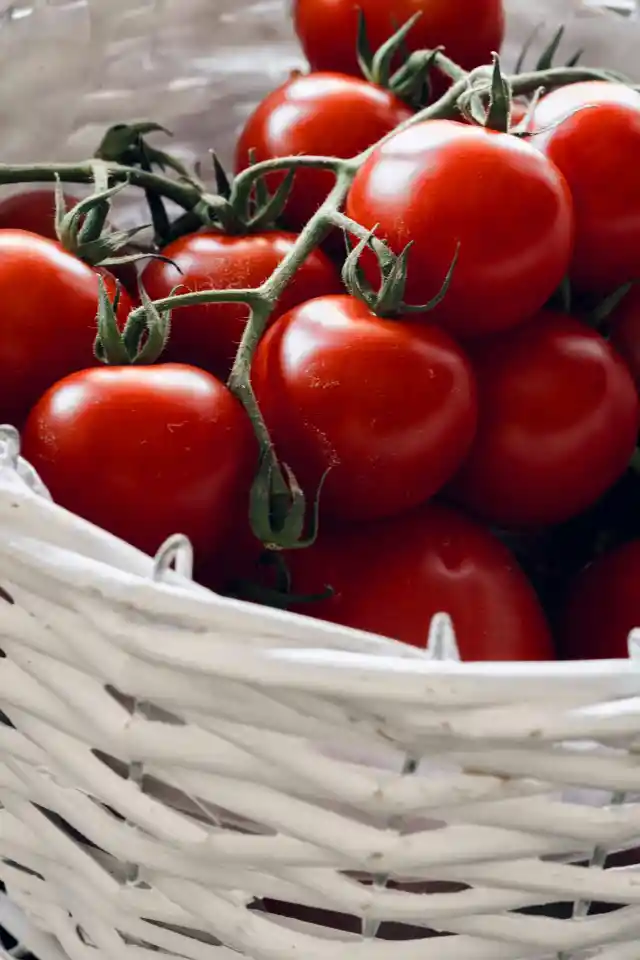
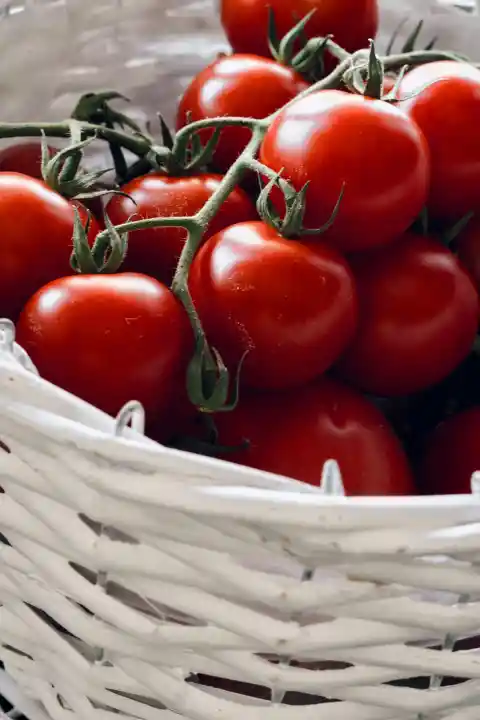
Tomatoes look like they belong in the fridge. They are juicy, they spoil eventually, and putting them somewhere cold feels like the sensible thing to do. The problem is that cold temperatures can mess with both their texture and flavor, which is how you end up with a tomato that looks perfectly normal but somehow tastes like very little.
If you have ever bitten into a refrigerated tomato and found it a little mealy or bland, that is probably what happened. Whole tomatoes generally do better on the counter, especially while they are still ripening. If they get very ripe and you know you are not going to use them soon, then the fridge can buy you a little extra time, but it is better as a backup plan than their permanent home.
Potatoes
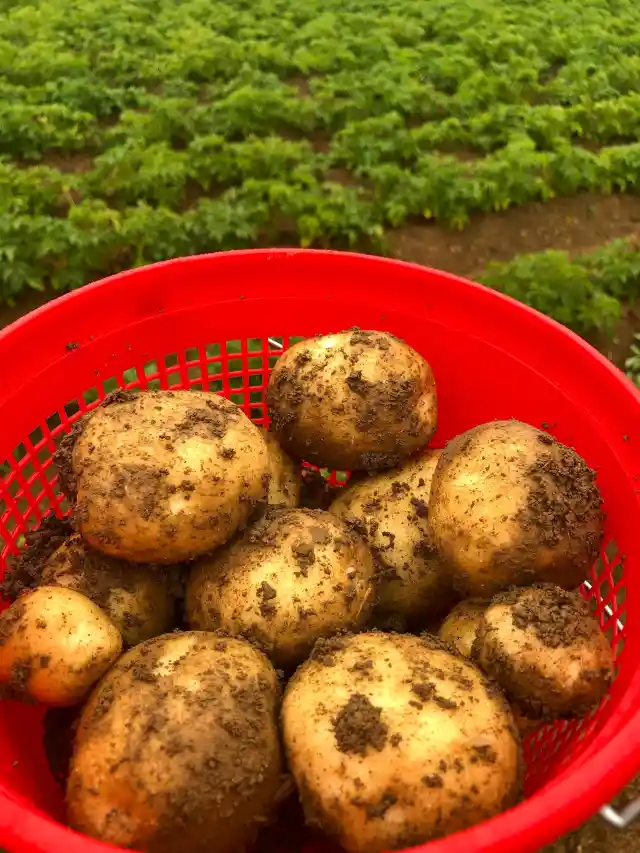
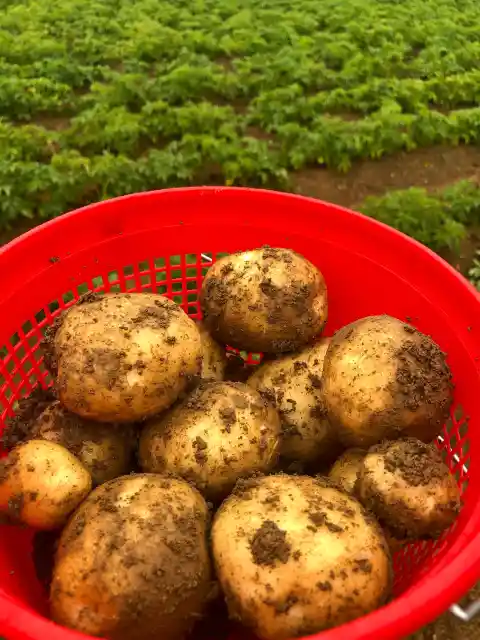
Potatoes are another one people understandably get wrong because they do like cool conditions. The key word there is cool, though, not refrigerator-cold. When potatoes get too cold, some of their starch can start converting into sugar, and that can affect both the taste and how they cook.
That is when fries brown faster than expected or roasted potatoes do not quite behave the way they normally do. A dark cupboard, pantry, or other cool, dry spot is usually much better. Just keep them away from too much light, because green potatoes are a whole different problem you do not need to create for yourself.
Bread


Bread in the fridge feels like one of those smart little kitchen tricks that should work. After all, the whole point of refrigeration is to slow things down, so surely it should keep a loaf fresh longer. Except bread has decided not to cooperate with that logic.
The cold can actually make bread go stale faster because of what happens to the starch inside it. You pull the loaf out two days later, and suddenly it feels dry, tough, and much older than it really is. If you are going to eat the bread within a few days, keep it wrapped at room temperature. If you bought more than you can use, freeze it instead. Sliced bread straight from the freezer to the toaster is a lot more appealing than trying to revive a sad refrigerated loaf.
Whole Onions
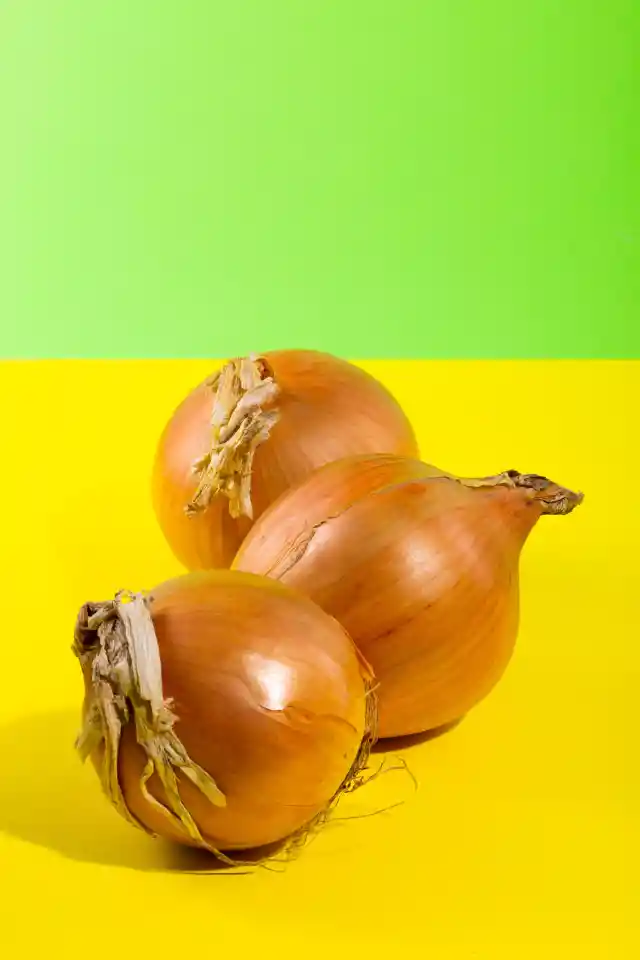
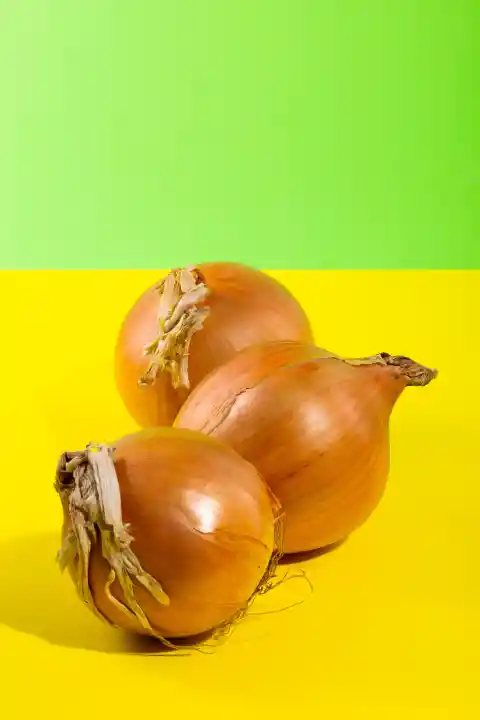
Whole onions do not need the fridge nearly as much as people think they do. They usually prefer somewhere dry, dark, and well-ventilated, which is basically the opposite of a damp refrigerator drawer. Too much moisture can make them soften faster, and once an onion starts getting mushy, it is not exactly on its way back.
A pantry, basket, or cupboard is usually a better place for them, as long as there is some airflow. The one important exception is after you cut one open. That leftover half should go in the fridge in a sealed container, unless you want everything from your butter to your dessert quietly picking up onion perfume.
Bananas
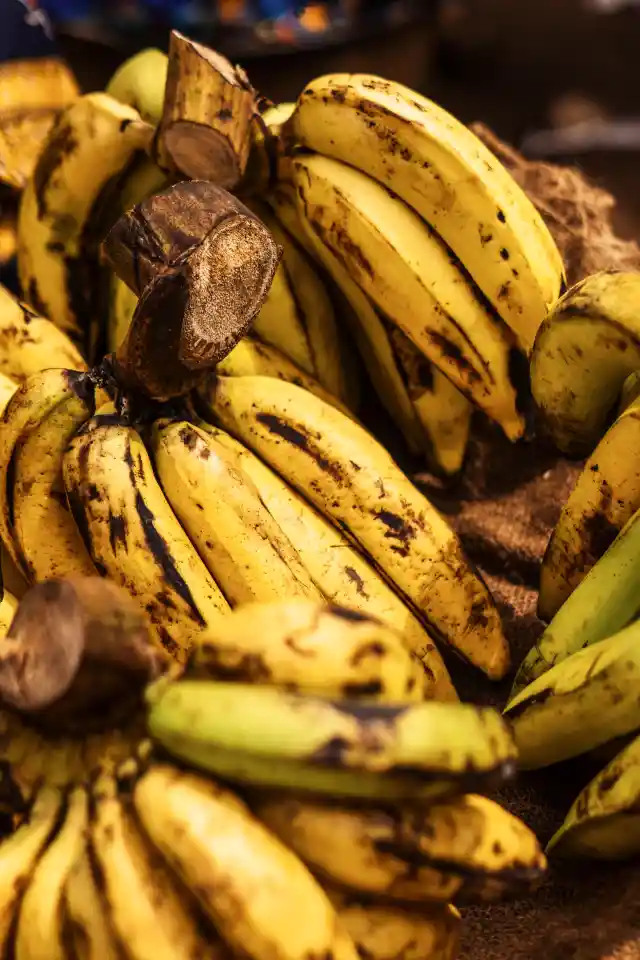
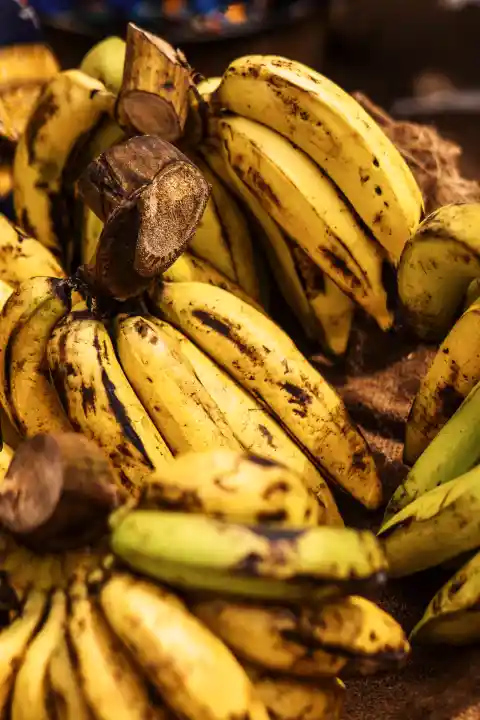
Bananas and refrigerators have a slightly awkward relationship. If you put them in too early, while they are still green or barely ripe, the cold can slow down the ripening process and leave you waiting forever for them to taste right. The peel may also darken quickly, which makes them look like they are in much worse shape than they actually are.
The better move is to leave bananas on the counter until they are properly ripe. Once they reach that sweet spot, then the fridge can actually help you stretch them a little longer. The skin may still go brown or even nearly black, but the fruit inside can remain perfectly fine. So the fridge is not completely off-limits here. It is just something you use later, not on day one.
Honey


Honey really does not need your refrigerator’s help. Properly stored honey already lasts extremely well because of its low moisture content and other natural properties. Putting it in the fridge does not make it magically safer, but it can make it thicken up and crystallize much faster. That grainy texture does not mean the honey has gone bad, but it can make pouring it onto toast or stirring it into tea a lot more annoying. Keep the jar sealed in a cupboard or pantry, and it will usually be much easier to deal with. If it does crystallize, gentle warming can often bring it back. Refrigerating it just gives you that problem sooner.
So the next time you are standing in the kitchen holding something and wondering where it should go, do not automatically reach for the refrigerator door. Sometimes the best place for it is the boring old cupboard sitting right beside you.